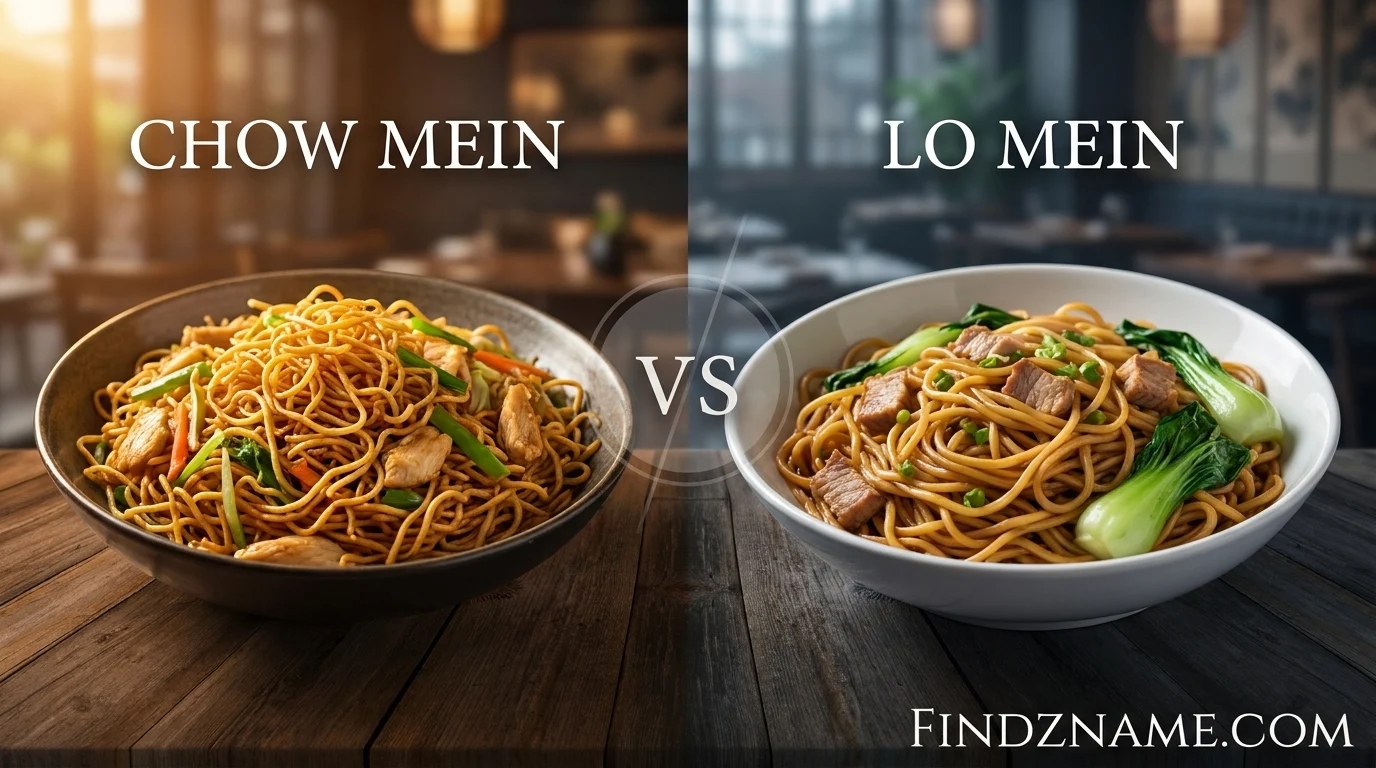
When comparing chow mein vs lo mein, the biggest difference is how the noodles are prepared. Chow mein noodles are typically stir-fried to create a firmer texture, sometimes with crispy edges, while lo mein noodles are cooked and tossed with sauce, vegetables, and protein for a softer, chewier result.
Food Network
+1
Although both dishes are popular in Chinese and Chinese-American restaurants, they can taste and feel quite different. Chow mein often appeals to people who enjoy lightly crisp, savory noodles, whereas lo mein is ideal for anyone who prefers tender noodles coated in a flavorful sauce.
Understanding their ingredients, cooking techniques, and nutritional differences can help you choose the right dish at a restaurant or prepare your favorite version at home. This guide explains everything you need to know, from noodles and sauces to calories, common variations, and frequently asked questions.
Quick Answer: What Is the Difference?
Chow mein is generally a stir-fried noodle dish, while lo mein is made by tossing cooked noodles with sauce and other ingredients. However, the exact texture and preparation depend on the restaurant, regional tradition, and recipe.
Food Network
+1
| Feature | Chow Mein | Lo Mein |
|---|---|---|
| Main cooking method | Noodles are stir-fried | Cooked noodles are tossed with other ingredients |
| Texture | Firmer; sometimes crispy | Soft, tender, and chewy |
| Sauce | Often lighter or less abundant | Usually more generously coated |
| Typical noodles | Wheat noodles, often egg noodles | Wheat noodles, often egg noodles |
| Flavor experience | Savory, toasted, sometimes smoky | Savory, saucy, and well coated |
| Common additions | Vegetables, chicken, beef, shrimp, or tofu | Vegetables, chicken, beef, shrimp, or tofu |
| Best for | People who enjoy fried noodles and texture | People who prefer soft noodles and more sauce |
The easiest way to remember: Chow mein emphasizes frying, while lo mein emphasizes tossing cooked noodles with sauce.
1. What Is Chow Mein?


6
Chow mein is a Chinese noodle dish whose name is commonly translated as “fried noodles.” The word mein refers to noodles, while chow is associated with frying or stir-frying. The defining feature is the way the noodles are cooked, rather than one fixed list of ingredients.
Food Network
+1
In many Chinese-American restaurants, cooks partially cook the noodles before frying them in a hot wok with vegetables, sauce, and a choice of protein. The high heat gives the noodles a distinctive fried flavor, and some strands may develop browned or crispy edges.
There is also a crispy Cantonese-style preparation in which fried noodles form a crunchy base for vegetables, meat, or seafood. Other versions remain relatively soft, so not every plate of chow mein will be crunchy.
Common ingredients in chow mein
- Noodles: Wheat noodles, frequently made with egg.
- Vegetables: Cabbage, carrots, bean sprouts, onions, and scallions.
- Protein: Chicken, beef, pork, shrimp, tofu, or no meat.
- Sauce: Often soy sauce with garlic and other seasonings.
- Cooking oil: Used to stir-fry the noodles and other ingredients.
The combination creates a savory dish with contrasting textures. For example, browned noodles can provide a little crispness while fresh vegetables contribute crunch and the protein adds substance.
Chow mein is particularly appealing when you want a noodle dish that tastes freshly fried rather than heavily coated in sauce. Nevertheless, its exact flavor depends on the seasoning, oil, cooking temperature, and regional recipe.
2. What Is Lo Mein?


6
Lo mein is a Chinese noodle dish commonly translated as “tossed noodles” or “mixed noodles.” Its preparation centers on cooking the noodles and then combining them with other ingredients and sauce. Unlike crispy chow mein, lo mein is usually served with soft, tender noodles.
HelloFresh
+1
In a typical Chinese-American preparation, vegetables and protein are cooked first. The cooked noodles are then added with a savory sauce and tossed until the ingredients are evenly combined.
This process helps the sauce coat the noodles without deliberately crisping them. As a result, the dish often feels moist, chewy, and satisfying.
Common ingredients in lo mein
- Noodles: Wheat noodles, often egg noodles.
- Vegetables: Cabbage, carrots, mushrooms, celery, and snow peas.
- Protein: Chicken, beef, pork, shrimp, tofu, or vegetables alone.
- Sauce: Soy sauce, garlic, sesame oil, and sometimes oyster sauce or other seasonings.
- Optional additions: Scallions, chili, ginger, or additional vegetables.
Lo mein is a flexible dish. Some restaurants serve a generous amount of sauce, while others keep the coating relatively light. Traditional Chinese preparations can also differ from American takeout versions.
If you enjoy noodles that are easy to twirl around a fork and have seasoning throughout each bite, lo mein may be the better choice. In addition, its softer texture makes it a good option for people who do not particularly enjoy crispy or heavily fried noodles.
3. Chow Mein vs Lo Mein: Cooking Method Explained
The cooking method is the most useful distinction between these two dishes. Although the ingredients may overlap considerably, the way the noodles are handled changes their final texture and flavor.
| Cooking stage | Chow Mein | Lo Mein |
|---|---|---|
| Preparing the noodles | Often partially cooked first | Usually cooked until tender |
| Cooking the vegetables | Stir-fried in a hot pan or wok | Commonly stir-fried separately |
| Finishing the noodles | Fried with the other ingredients, or fried separately in crispy versions | Tossed with sauce and the other ingredients |
| Heat and browning | Frying can produce browned or crisp sections | The focus is on tenderness rather than crisping |
| Final result | Firmer, drier, or sometimes crispy | Softer, chewier, and often saucier |
Food Network
+2
How chow mein is prepared
First, the noodles are softened or partially cooked according to their type. The cook then heats oil in a wok or skillet and stir-fries the noodles, often alongside vegetables and protein.
High heat encourages browning and develops a toasted flavor. For a crispier version, the noodles may be fried more extensively or shaped into a crisp base before toppings are added.
How lo mein is prepared
The noodles are cooked separately, drained, and combined with vegetables and protein that have already been prepared. Sauce is added, and everything is tossed together until evenly coated.
Because the noodles spend less time frying, they generally retain a soft texture. The sauce also contributes to the dish’s moist consistency.
Cooking tip: If you’re making chow mein at home, avoid overcrowding the pan. Too many ingredients can release moisture and prevent the noodles from browning properly. For lo mein, prepare the sauce before combining everything so you can toss the ingredients quickly and avoid overcooking the noodles.
4. Differences in Noodles, Texture, and Flavor
Chow mein and lo mein often use similar wheat-based noodles, including egg noodles. Therefore, it is not always accurate to say that they are completely different types of noodles. The preparation method is usually more important than the noodle’s name alone.
HelloFresh
+1
However, restaurants may choose different noodle thicknesses or fresh and dried varieties to suit their recipes.
| Characteristic | Chow Mein | Lo Mein |
|---|---|---|
| Typical appearance | Stir-fried strands; sometimes crispy | Soft, glossy strands |
| Bite | Firmer, with possible crunchy sections | Tender and chewy |
| Surface | May have browned patches | Usually coated with sauce |
| Flavor emphasis | Toasted, savory, stir-fried notes | Seasoning distributed through the sauce |
| Overall mouthfeel | Can be drier and more textured | Generally moist and smooth |
Which has the better texture?
That depends on personal preference. Chow mein provides a more noticeable contrast between noodles and vegetables, especially when the noodles develop crisp edges.
Lo mein, meanwhile, offers a more consistent bite. Its soft noodles and sauce work together, making each forkful feel cohesive.
Which tastes better?
Neither dish is automatically more flavorful. Chow mein can develop a deeper toasted taste through frying, while lo mein may deliver a more prominent sauce flavor because more sauce clings to the noodles.
For example, someone who enjoys garlic, soy-based seasoning, and browned noodles may prefer chow mein. A person who wants tender noodles with a rich, savory coating may favor lo mein.
The best choice depends on how you like your noodles cooked, not simply which dish has more ingredients.
5. Sauce and Ingredients: How Do They Compare?
Both dishes can include many of the same ingredients. The difference is how the sauce interacts with the noodles and how the cook balances the components.
Chow mein often has a relatively light coating, especially when the goal is to preserve crispness. However, some restaurant versions are generously seasoned, and the amount of sauce varies widely.
Lo mein is often associated with a more generous sauce coating. Soy sauce, garlic, sesame oil, and other seasonings help give the noodles their savory flavor. Some recipes also use oyster sauce, which is unsuitable for vegetarians unless replaced with an appropriate alternative.
| Ingredient | Role in Chow Mein | Role in Lo Mein |
|---|---|---|
| Soy sauce | Adds saltiness and savory flavor | Adds savory flavor and colors the noodles |
| Garlic | Provides aromatic depth | Adds fragrance to the sauce |
| Sesame oil | Can add a nutty finishing note | Can add a nutty finishing note |
| Cabbage and carrots | Add crunch and sweetness | Add color, sweetness, and texture |
| Chicken, beef, or shrimp | Provides protein and a savory component | Provides protein and complements the sauce |
| Tofu | Meat-free protein option | Meat-free protein option |
Recipes differ, so these are common patterns rather than strict rules.
For a lighter-tasting dish, ask for less sauce if the restaurant can accommodate your request. You can also request additional vegetables or a meat-free protein. However, check the restaurant’s ingredients if you have an allergy or follow a strict vegetarian or vegan diet.
6. Which Is Healthier: Chow Mein or Lo Mein?
Neither chow mein nor lo mein is automatically healthier. The nutritional value depends on the portion size, cooking oil, sauce, noodle quantity, protein, and vegetables used in the recipe.
Chow mein may contain more oil when the noodles are fried extensively. On the other hand, lo mein can contain substantial sodium or added sugar when prepared with a generous amount of sauce. These differences mean that the dish’s name alone cannot tell you which option has fewer calories.
HelloFresh
+1
Nutrition factors to consider
| Nutritional factor | Chow Mein | Lo Mein |
|---|---|---|
| Calories | Depend on oil, portion, and ingredients | Depend on noodles, sauce, portion, and ingredients |
| Fat | Can increase with extensive frying | Depends on oil and sauce ingredients |
| Sodium | Varies with seasoning and sauces | Can be high when generously sauced |
| Protein | Depends on meat, seafood, tofu, or other additions | Depends on meat, seafood, tofu, or other additions |
| Fiber | Depends on the amount and variety of vegetables | Depends on the amount and variety of vegetables |
Exact nutrition values are not listed here because a reliable comparison requires specific recipes or restaurant nutrition information. A chicken chow mein from one restaurant may have a different nutritional profile from a vegetable lo mein at another.
How to make either dish a healthier meal
- Add more vegetables: Cabbage, carrots, broccoli, and peppers contribute fiber and micronutrients.
- Choose a suitable protein: Chicken, shrimp, tofu, or other lean protein sources can make the meal more balanced.
- Manage the sauce: Request less sauce when possible, particularly if you’re watching sodium intake.
- Consider the portion: Restaurant servings can be large, so portion size matters.
- Watch added oil: Home cooks can control how much oil goes into the pan.
If you are comparing dishes for a particular dietary need, look at the actual ingredient list and nutrition information instead of assuming one noodle style is always better.
7. Popular Types and Restaurant Variations
One reason the chow mein versus lo mein comparison can be confusing is that restaurant terminology is not completely consistent. Chinese regional traditions and Chinese-American cooking have developed different versions of these noodle dishes.
Food Network describes both the familiar stir-fried form of chow mein and Cantonese preparations featuring crisp noodles. HelloFresh also notes that American-style and traditional preparations can differ in noodle texture and sauce.
Food Network
+1
Here are some common variations you may encounter.
| Dish variation | What to expect |
|---|---|
| Chicken chow mein | Stir-fried noodles with chicken and vegetables |
| Beef chow mein | Fried or stir-fried noodles with beef and savory seasoning |
| Vegetable chow mein | Noodles prepared with vegetables, sometimes without meat |
| Crispy Cantonese chow mein | Crisp fried noodles served with toppings or sauce |
| Chicken lo mein | Soft noodles tossed with chicken, vegetables, and sauce |
| Beef lo mein | Tender noodles mixed with beef and a savory coating |
| Vegetable lo mein | Soft noodles with vegetables and sauce |
| Shrimp lo mein | Noodles tossed with shrimp and complementary vegetables |
These names describe common preparations, not universal recipes. For instance, a restaurant may serve a soft version of chow mein, while another may offer a crispier preparation.
Why restaurant menus can be confusing
Some menus use “chow mein” and “lo mein” to describe distinct dishes, while others emphasize local traditions or house-specific recipes. The terms may also be adapted to suit the ingredients available.
Therefore, if you want a particular texture, ask how the noodles are cooked. A simple question such as “Are the noodles crispy or soft?” can be more helpful than relying on the dish name alone.
8. How to Choose Between the Two Dishes
The right choice depends on your taste, preferred texture, and the kind of meal you want. Both dishes can include vegetables and protein, and both can be adapted to different preferences.
Use this quick guide to make your decision.

Choose chow mein if you prefer:
- Firmer or crispier noodles
- A fried, toasted flavor
- Less sauce on the noodles
- Noticeable texture from browned strands and vegetables

Choose lo mein if you prefer:
- Soft, chewy noodles
- A generous coating of sauce
- Savory flavors distributed across the dish
- A smooth, cohesive noodle texture
What if you are ordering takeout?
Think about what you usually enjoy. If you like noodles with a little browning and texture, chow mein is a reasonable starting point. If you prefer soft noodles that are easy to mix with sauce, lo mein may be a better match.
Also consider how the meal will travel. Crispy noodles can lose their crunch when steam becomes trapped inside a takeout container. Lo mein’s soft texture is less dependent on crispness, although its noodles can still become soggy if they sit in excess liquid for too long.
What if you are cooking at home?
Choose chow mein when you want to practice high-heat stir-frying and create a firmer finish. Select lo mein when you want to combine cooked noodles with vegetables, protein, and a prepared sauce.
In either case, prepare your ingredients before turning on the heat. Noodle dishes cook quickly, and having everything ready makes it easier to avoid overcooking the vegetables or noodles.
9. Can You Substitute One for the Other?
Yes, chow mein and lo mein can often substitute for each other in a home recipe, but the finished dish will not be identical. The noodles, cooking method, and sauce quantity determine the final result.
For example, you can use a suitable wheat noodle for either dish if it holds together during cooking. However, a noodle intended for crisp frying may not provide the same soft, chewy texture that you expect from lo mein.
Substitution tips
- Using lo mein noodles for chow mein: Cook them according to the package instructions, drain thoroughly, and fry them in batches to encourage browning.
- Using chow mein noodles for lo mein: Check the package instructions and cook them until tender before tossing them with the sauce and other ingredients.
- Adjusting the sauce: Start with a moderate amount and add more gradually to prevent the dish from becoming watery.
- Avoiding overcooking: Follow the recommended cooking time, especially when using fresh noodles.
- Choosing alternatives: If you cannot find the usual noodles, another suitable wheat noodle may work, although the texture can differ.
The most important point is to understand what the recipe needs. For a crispy dish, excess moisture is the enemy. For a saucy noodle dish, the goal is to achieve tender noodles that hold their shape and combine evenly with the other ingredients.
Also, check the package for egg and wheat ingredients if allergies or dietary restrictions are a concern. Not every noodle sold under a similar name has the same ingredient list.
10. Frequently Asked Questions About Chow Mein and Lo Mein
1. Is chow mein or lo mein better?
Neither is universally better. Chow mein is a good choice if you enjoy firmer, fried, or crispy noodles. Lo mein is better suited to people who prefer soft noodles with a savory sauce coating.
2. Are chow mein and lo mein made from the same noodles?
They often use similar wheat-based noodles, including egg noodles. However, noodle thickness, freshness, and preparation can vary by recipe and restaurant. The main distinction is generally the cooking method rather than an entirely different noodle ingredient.
HelloFresh
+1
3. Which dish has more sauce?
Lo mein generally has more sauce coating the noodles. Chow mein often uses less sauce to preserve the fried texture, although some restaurant versions are quite saucy.
4. Is chow mein always crispy?
No. Some chow mein preparations feature very crispy noodles, while others have softer noodles with browned or lightly crisp edges. The exact texture depends on the regional style and cooking technique.
5. Which is healthier, chicken chow mein or chicken lo mein?
Neither is automatically healthier. The answer depends on portion size, oil, sauce, vegetables, and chicken quantity. Compare the specific restaurant’s nutrition information if you need accurate calorie, fat, or sodium figures.
6. Can vegetarians eat chow mein and lo mein?
Yes, both dishes can be made vegetarian. However, some recipes contain meat, chicken stock, oyster sauce, or other animal-derived ingredients. Ask the restaurant to confirm the ingredients and whether the noodles and cooking equipment meet your dietary requirements.
7. What is the difference between chow mein and lo mein at Chinese takeout restaurants?
Chow mein usually emphasizes stir-fried noodles, which may have a firmer or crispier texture. Lo mein typically features soft noodles tossed with vegetables, protein, and sauce. Because restaurant terminology varies, ask how the noodles are prepared if texture matters to you.
8. Can I make chow mein and lo mein with the same vegetables?
Yes. Both can include cabbage, carrots, onions, bean sprouts, and other vegetables. You can also use chicken, beef, shrimp, tofu, or other suitable protein sources. The main difference comes from the noodle preparation and final texture.
Conclusion
The main difference between chow mein and lo mein is how the noodles are cooked and served. Chow mein is typically stir-fried for a firmer texture and sometimes crispy finish, whereas lo mein features soft noodles tossed with sauce and other ingredients. Both dishes can include similar vegetables and proteins, so the best option comes down to your preferred texture, flavor, and cooking style. When ordering, check the restaurant’s preparation method to find the noodle dish you will enjoy most.

Hi, I’m Trevor Dean. As the administrator, I manage FindZName while helping create unique nicknames, creative usernames, and useful naming ideas that inspire confidence and make every online identity memorable.